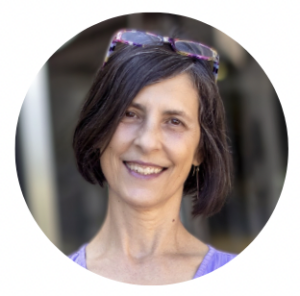
James Giordano PhD
Adarsh Srivastava MBA is a seasoned professional with over 13+ years of expertise in the dynamic field of Data & Analytics. Currently serving as the Head of Data & Analytics Quality Assurance at Roche Diagnostics, he has played a pivotal role in shaping the landscape of data analytics products within the healthcare domain. His leadership has been marked by the successful spearheading of initiatives aimed at developing highly resilient data analytics solutions. Adarsh’s commitment to excellence extends beyond product development, as he has actively contributed to the establishment of a robust infrastructure and the cultivation of competencies in AI Ethics and responsible AI at Roche. Passionate and forward-thinking, Adarsh Srivastava is at the forefront of implementing trustworthy AI systems. His vision and dedication have been instrumental in propelling the organization toward a future where it is fully equipped to harness the potential of AI. Keynote Speaker: Jonathan D. Moreno PhD is the David and Lyn Silfen University Professor at the University of Pennsylvania, where he is a Penn Integrates Knowledge (PIK) professor. At Penn he is also Professor of Medical Ethics and Health Policy, of History and Sociology of Science, and of Philosophy. His most recent books are Everybody Wants to Go to Heaven but Nobody Wants to Die: Bioethics and the Transformation of Healthcare in America, co-authored with Penn president Amy Gutmann; and The Brain in Context: A Pragmatic Guide to Neuroscience, written with neuroscientist Jay Schulkin. Among Moreno’s previous books are, The Impromptu Man: J.L. Moreno and the Origins of Psychodrama Encounter Culture and the Social Network and The Body Politic which was named a Best Book of 2011 by Kirkus Reviews; Undue Risk, nominated for the Virginia Book Award; and Mind Wars, which was referenced by the screenwriter of The Bourne Legacy. He has published more than a thousand papers, articles, reviews and op-eds. Moreno’s writings have been translated into German, Japanese, Korean, Portuguese and Romanian. Moreno is senior consultant to a six-year, 10 million euro project on cold war medical science on both sides of the iron curtain, funded by the European Research Council. Moreno’s op eds have been published in venues including The New York Times, The Wall Street Journal, Science, Nature, Slate, Politico, The Hill, Foreign Affairs, Axios.com, The Huffington Post, and Psychology Today. He often appears on broadcast and online media. He was co-host of Making the Call, an Endeavor Content podcast and was a columnist for ABCNews.com. Formerly Moreno was a senior fellow at the Center for American Progress in Washington, DC. and editor of the online magazine Science Progress. The American Journal of Bioethics has called him “the quietly most interesting bioethicist of our time.” Moreno is an elected member of the National Academy of Medicine. He has served as a staff member or adviser to many governmental and non-governmental organizations, including the UNESCO International Bioethics Committee, three U.S. presidential commissions, the Department of Defense, the Department of Homeland Security, the Department of Health and Human Services, the Centers for Disease Control, the Federal Bureau of Investigation, the Howard Hughes Medical Institute, and the Bill and Melinda Gates Foundation. In 2008-09 he served as a member of President Barack Obama’s transition team. Moreno received his Ph.D. in philosophy from Washington University in St. Louis, was an Andrew W. Mellon post-doctoral fellow, holds an honorary doctorate from Hofstra University and is a recipient of the College of William and Mary Law School Benjamin Rush Medal, the Dr. Jean Mayer Award for Global Citizenship from Tufts University, and the Penn Alumni Faculty Award of Merit. He has held the honorary Visiting Professorship in History at the University of Kent in Canterbury, England. In 2018 the American Society for Bioethics and Humanities presented him with its Lifetime Achievement Award. Jonathan D. Moreno, PhD Judit Sandor PhD is a professor at the Faculty of Political Science, Legal Studies and Gender Studies of the Central European University (CEU), Budapest. She had a bar exam in Hungary she conducted legal practice at Simmons & Simmons in London, had fellowships at McGill (Montreal), at Stanford (Palo Alto), and at Maison de sciences de l’homme (Paris), at NYU (New York, as a Global Research Fellow). In 1996 she received Ph.D. in law and political science. She was one of the founders of the first Patients’ Right Organization (‘Szószóló’) in Hungary, she was a member of the Hungarian Science and Research Ethics Council, and currently a member at the Hungarian Human Reproduction Commission. She participated in different national and international legislative, standard setting and policy making activities in the field of biomedical law and bioethics. In 2004-2005 she served as the Chief of the Bioethics Section at the UNESCO. She published seven books in the field of human rights and biomedical law. Her works appeared in different languages, including Hungarian, English, French and Portuguese. Since September 2005 she is a founding director of the Center for Ethics and Law in Biomedicine (CELAB) at the Central European University. She has completed ten European research projects (including: GeneScreen, PUG, STRATA-ETAN GROUP, GeneBanC, PRIVIREAL, PRIVILEGED, Tiss.Eu, RemediE, EULOD, NANOPLAT), founded by the European Commission in the field of biobanks, genetic data, stem cell research, organ transplantation and human reproduction. In 2014-2016 she worked at the NERRI and the EUCElLEX Projects. In 2017 she participated at the HURMUR Project and continued her work also within the IANB network, co-ordinated by the University of Rennes. In 2017-2020 she served also at the ESOF Programme Committee with the mission of organizing the Euroscience Open Forum to be held in Toulouse and in Triest. In 2019 she received the prestigeous ERC Synergy Grant with the “Leviatahan”project. LinkedIn: Judit Sandor, PhD My work integrates bioethics, science policy, and public engagement strategies to shape evidence-based decisions in health and biomedical innovation, including genomics, precision medicine, stem cell and regenerative therapies, and artificial intelligence (AI) in healthcare. As Founder and Research Director of the Canadian Institute for Genomics and Society (Genomics4S), I have advanced participatory research, ethical governance, and policy innovation in emerging biotechnologies. Partnering with leading researchers, scientists, policymakers, and industry stakeholders, I have enabled strategic collaboration on initiatives that navigate the ethical and societal dimensions of biomedical innovation. With prior leadership experience at Loyalist College’s Applied Research and Innovation Office and University of Alberta’s Centre for Public Involvement, I have also contributed to fostering cross-sectoral innovation through applied research, policy development, and strategic partnerships. My executive and management expertise spans research administration, grant development, research ethics, team-building, and stakeholder engagement. I am driven by a commitment to responsible research and innovation, ensuring inclusive public discourse around transformative scientific advancements. We’re excited to feature Samuel J. Ujewe, PhD – a leading voice on communal responsibility and generative AI in global health. As a senior ethics advisor with the Canadian Institutes of Health Research, CIHR, Dr. Ujewe brings a Global‑South perspective to the discussion, emphasizing how shared duties can shape equitable AI‑driven health solutions. *Why Samuel?* He is an expert on ethics of communal responsibility in health. He bridges AI innovation with the needs of under‑represented communities. He offers actionable insights for a fairer, more collaborative global health order. His talk will explore how collective stewardship can guide responsible AI deployment worldwide. Associate General Counsel, Teva Pharmaceuticals Brian J. Malkin supports Research and Development (R&D), Regulatory Affairs (RA), Commercial, Quality, Quality Assurance, and other client groups by counseling on FDA regulatory law and strategy, including expedited development pathways, labeling and safety issues, and pre-and post-approval development challenges. He serves as a Center of Excellence in regulatory law, including the issues under the FDCA, PHSA, BPCIA, PREA, BPCA, the Hatch-Waxman Act, the Orphan Drug Act, the User Fee Act and other laws. He represents Teva in informal and formal dispute resolution and litigation and develop advocacy strategies, submissions, appeals, and correspondence. He sits on R&D project teams across therapeutic areas to advise on legal and regulatory issues and post-approval development for innovative and biosimilar pharmaceutical products. He developes and maintains relationships with health authorities, external facing organizations, trade associations, and pharmaceutical industry counterparts. He also provides training for RA, R&D, and commercial functions on FDA legal and regulatory issues. Jonathan D. Moreno PhD
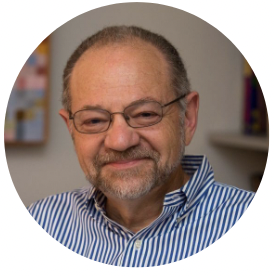 Keynote Speaker:Jonathan D. Moreno PhD is the David and Lyn Silfen University Professor at the University of Pennsylvania, where he is a Penn Integrates Knowledge (PIK) professor. At Penn he is also Professor of Medical Ethics and Health Policy, of History and Sociology of Science, and of Philosophy. His most recent books are Everybody Wants to Go to Heaven but Nobody Wants to Die: Bioethics and the Transformation of Healthcare in America, co-authored with Penn president Amy Gutmann; and The Brain in Context: A Pragmatic Guide to Neuroscience, written with neuroscientist Jay Schulkin. Among Moreno’s previous books are, The Impromptu Man: J.L. Moreno and the Origins of Psychodrama Encounter Culture and the Social Network and The Body Politic which was named a Best Book of 2011 by Kirkus Reviews; Undue Risk, nominated for the Virginia Book Award; and Mind Wars, which was referenced by the screenwriter of The Bourne Legacy. He has published more than a thousand papers, articles, reviews and op-eds. Moreno’s writings have been translated into German, Japanese, Korean, Portuguese and Romanian. Moreno is senior consultant to a six-year, 10 million euro project on cold war medical science on both sides of the iron curtain, funded by the European Research Council. Moreno’s op eds have been published in venues including The New York Times, The Wall Street Journal, Science, Nature, Slate, Politico, The Hill, Foreign Affairs, Axios.com, The Huffington Post, and Psychology Today. He often appears on broadcast and online media. He was co-host of Making the Call, an Endeavor Content podcast and was a columnist for ABCNews.com. Formerly Moreno was a senior fellow at the Center for American Progress in Washington, DC. and editor of the online magazine Science Progress. The American Journal of Bioethics has called him “the quietly most interesting bioethicist of our time.” Moreno is an elected member of the National Academy of Medicine. He has served as a staff member or adviser to many governmental and non-governmental organizations, including the UNESCO International Bioethics Committee, three U.S. presidential commissions, the Department of Defense, the Department of Homeland Security, the Department of Health and Human Services, the Centers for Disease Control, the Federal Bureau of Investigation, the Howard Hughes Medical Institute, and the Bill and Melinda Gates Foundation. In 2008-09 he served as a member of President Barack Obama’s transition team. Moreno received his Ph.D. in philosophy from Washington University in St. Louis, was an Andrew W. Mellon post-doctoral fellow, holds an honorary doctorate from Hofstra University and is a recipient of the College of William and Mary Law School Benjamin Rush Medal, the Dr. Jean Mayer Award for Global Citizenship from Tufts University, and the Penn Alumni Faculty Award of Merit. He has held the honorary Visiting Professorship in History at the University of Kent in Canterbury, England. In 2018 the American Society of Bioethics and Humanities presented him with its Lifetime Achievement Award. Jonathan D. Moreno, PhD


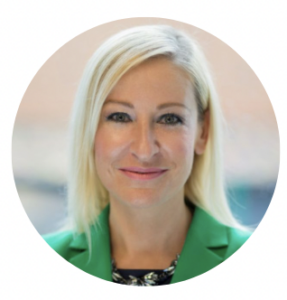

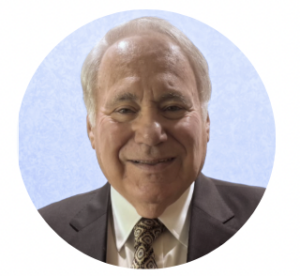

Samuel J. Ujewe PhD
We’re excited to feature Samuel J. Ujewe, PhD – a leading voice on communal responsibility and generative AI in global health. As a senior ethics advisor with the Canadian Institutes of Health Research, CIHR, Dr. Ujewe brings a Global‑South perspective to the discussion, emphasizing how shared duties can shape equitable AI‑driven health solutions. *Why Samuel?* He is an expert on ethics of communal responsibility in health. He bridges AI innovation with the needs of under‑represented communities. He offers actionable insights for a fairer, more collaborative global health order. His talk will explore how collective stewardship can guide responsible AI deployment worldwide. Inmaculada de Melo-Martín PhD
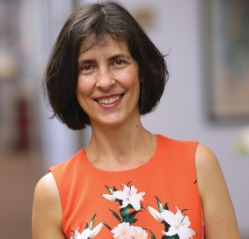 Inmaculada de Melo-Martín is Professor of Medical Ethics at Weill Cornell Medicine. She holds as PhD in Philosophy and an M.S. in Biology. Her research focuses on ethical and epistemological issues related to biomedical sciences and technologies. She has published extensively on those topics in both philosophy and science journals Scientific knowledge transforms our lives and our societies in positive and negative ways. Science informs public policies that affect communities; scientifically informed public is essential to well-functioning democracies; and some of us become research subjects and are yet affected by scientific research in even more intimate ways. My work explores epistemic aspects and ethical challenges confronting biomedical research, not only traditional issues related to responsible research conduct, but also questions about the role of values in science and technology, the ethical obligations of scientific communities, and the ways in which research practices and institutions can be most conducive to producing socially relevant knowledge.
 Inmaculada de Melo-Martín PhD
 Inmaculada de Melo-Martín is Professor of Medical Ethics at Weill Cornell Medicine. She holds as PhD in Philosophy and an M.S. in Biology. Her research focuses on ethical and epistemological issues related to biomedical sciences and technologies. She has published extensively on those topics in both philosophy and science journals Scientific knowledge transforms our lives and our societies in positive and negative ways. Science informs public policies that affect communities; scientifically informed public is essential to well-functioning democracies; and some of us become research subjects and are yet affected by scientific research in even more intimate ways. Her work explores epistemic aspects and ethical challenges confronting biomedical research, not only traditional issues related to responsible research conduct, but also questions about the role of values in science and technology, the ethical obligations of scientific communities, and the ways in which research practices and institutions can be most conducive to producing socially relevant knowledge.
 Jeanne F Loring
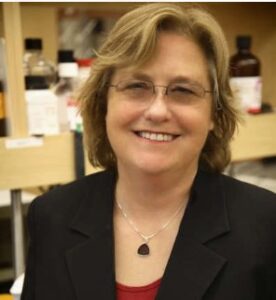 Keynote Speaker Jeanne Frances Loring PhD is an American stem cell biologist, developmental neurobiologist, and geneticist. She is the founding Director of the Center for Regenerative Medicine and emeritus professor at the Scripps Research Institute in La Jolla, California. She has founded two biotechnology companies, Arcos BioScience (1999) and Aspen Neuroscience (2018) Co-Founder, Aspen Neuroscience Dr. Jeanne Loring is a world-renowned stem cell scientist and co-founder of Aspen Neuroscience. Dr. Loring’s work provided the expertise and intellectual property in genomics, iPSCs, and neurobiology that enables Aspen’s autologous therapy approach. Dr. Loring was the Founding Director of the Center for Regenerative Medicine at Scripps Research and is currently Professor Emeritus in Scripp’s Department of Molecular Medicine. She serves on the BOD of Summit for Stem Cell Foundation, is Senior Scientific Advisor for the National Stem Cell Foundation, Research Fellow of the San Diego Zoo, and Adjunct Professor in the School of Public Health at San Diego State University. She is a founding member of Merck KGaA’s Ethics Advisory Panel, serves on the editorial boards of the journals Stem Cells Translational Medicine and Stem Cells and Development, and is a scientific advisor to academic institutions, funding agencies, non-profits, and biotechnology companies. Historically, Dr. Loring was founding CSO of Aspen, and held research and management positions at Hana Biologics, GenPharm International, Molecular Dynamics, and Incyte Genomics, before founding the human pluripotent stem cell company, Arcos BioScience. She was a professor and principal investigator at the Burnham Institute and Scripps Research for 16 years. She is author of more than 250 highly cited scientific publications, including the first reports of single cell RNA sequencing, iPSCs from an endangered species, gene expression, microRNA profiling, and SNP genotyping of pluripotent stem cells, and DNA methylome sequencing of both undifferentiated and differentiated human pluripotent stem cells. She is an inventor on five issued patents, including PluriTest, the widely used tool for analyzing pluripotency. The third edition of her comprehensive human stem cell laboratory manual, “Human Stem Cells: A Laboratory Guide” (Elsevier), first published in 2007, is currently in preparation.
 Jan Piasecki PhD
Jan Piasecki PhD is a philosopher and bioethicist, serving as an assistant professor in the Department of Philosophy and Bioethics at the Faculty of Health Sciences, Jagiellonian University Medical College in Krakow. His research interests include research ethics, public health ethics, and technology ethics. Adarsh Srivastava PGDISAD
 Keynote Speaker:
James J. Hughes PhD
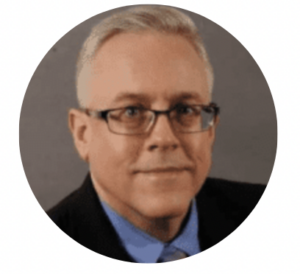 James J. Hughes serves as the Executive Director of the Institute for Ethics and Emerging Technologies, and as Associate Provost at the University of Massachusetts, Boston. He is the author of Citizen Cyborg. He holds a doctorate in sociology from the University of Chicago, where he also taught bioethics at the MacLean Center for Clinical Medical Ethics. Dr. Hughes is the author of Citizen Cyborg and co-editor of Surviving the Machine Age.
 Jonathan D. Moreno PhD
Judit Sandor PhD
 Keynote Speaker:
Kalina Kamenova PhD

Bryn Williams-Jones PhD
Bryn Williams-Jones PhD is a professor of Bioethics and Director of the Department of Social and Preventive Medicine in the School of Public Health (ESPUM) at the University of Montreal. Prof. Williams-Jones is interested in the socio-ethical and policy implications of health innovations in diverse contexts. His work examines the conflicts that arise in academic research and professional practice with a view to developing ethical tools to manage these conflicts when they cannot be avoided. Current projects focus on issues in professional ethics, public health ethics, research integrity and ethics education. Prof. Williams-Jones is Co-director of the Ethics Branch of the International Observatory on the Societal Impacts of AI and Digital Technology (OBVIA) and is Editor-in-Chief of the Canadian Journal of Bioethics. In his bilingual blog BrynStorming, he shares his ideas on bioethics and academic life.
Talia Arawi PhD
 Thalia Arawi, PhD is Founding Director of the Salim El-Hoss Bioethics and Professionalism Program (SHBPP) at the American University of Beirut Faculty of Medicine and Medical Center. The SHBPP the first and only Regional Bioethics and Professionalism Program in the Arab Region. Dr. Arawi is the first Arab to specialize in Bioethics with two PhDs. She is also the Clinical Bioethicist, Clinical Ethics Consultant and Certified Healthcare Mediator at AUBMC. Dr. Arawi is the first Arab member to be appointed on the board of the International Association of Bioethics and is also member of the American Society of Bioethics, the Canadian Society of Bioethics, the Provincial Health Ethics Network and, the UK Clinical Ethics Network, the Lebanese National Advisory Commission of the Ethics in Life Sciences and Healthcare, to mention but a few. Dr. Arawi is founding member and Advisory Board member of the Bioethics Network on Women’s Issues in the Arab Region and has been elected as the First Chair of the Network. She has also been elected as senior fellow at the ge2p2 global foundation for the advance ethical and scientific rigour in research and evidence generation for governance, policy and practice in human rights action, humanitarian response, health, education, heritage stewardship, and sustainable development – serving governments, international agencies, civil society organizations (csos), commercial entities, consortia and alliances then promoted to Senior Fellow. Dr. Arawi is also the first Arab consultant at the Center for Conflict Resolution in Healthcare LLC, Memphis TN. She has participated in a multitude of national, regional and international conferences and has several publications on bioethics. Her research interests are mainly in the areas of clinical ethics, biomedical ethics, philosophy of medicine, humanitarian medicine, bioethics in conflict zones, ethics, mental health, and medical education.
 Frederick Licciardi MD
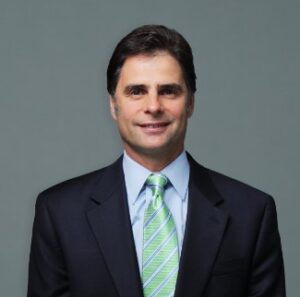 Frederick Licciardi PhD is a Professor in the Department of Obstetrics and Gynecology at NYU Grossman School of Medicine. He is a practicing reproductive endocrinologist at NYU Langone Fertility Center, where he is the Director of the Fellowship Program in Reproductive Endocrinology. Dr. Licciardi completed advanced infertility training with a fellowship in Reproductive Endocrinology and Infertility at the Cornell Medical Center in New York, NY. He received his residency training in obstetrics and gynecology at St. Barnabas Medical Center and earned his medical degree from the Rutgers State University of New Jersey.Dr. Licciardi’s numerous clinical articles have been published in the Journal of Assisted Reproduction and Genetics, Obstetrics & Gynecology, Fertility & Sterility, Scientific Reports and the New England Journal of Medicine.He has been recognized by the American Fertility Association for his dedication to the treatment of infertile patients. He is the author of the award winning Infertility Blog. Dr. Licciardi has been featured in national media, including the Today Show, CNN, Cosmopolitan, The New York Times and others. He has served on the board of the Society of Assisted Reproductive Technologies.His areas of special interest include female infertility, in vitro fertilization, egg freezing, hysteroscopy, artificial insemination, fertility, egg donation, preimplantation diagnosis, gynecological surgery, fertility preservation, male infertility, fibroid tumor, ovulation induction, surrogate mothers, endometriosis, recurrent miscarriage, oocyte recovery, polycystic ovary syndrome, endometriosis surgery, ectopic pregnancy, and minimally invasive surgery.
 Ilene Wilets PhD
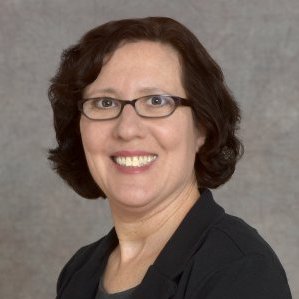 Dr. Ilene Wilets is an Associate Professor in the Department of Environmental Medicine and Public Health at the Icahn School of Medicine at Mount Sinai in New York. Within the Department of Environmental Medicine, Ilene supports faculty and research staff in meeting institutional and federal regulatory requirements for research involving human subjects Dr. Wilets also serves as a Chair for the Institutional Review Board (IRB) at Mount Sinai, overseen by the Program for the Protection of Human Subjects (PPHS). At PPHS, she is engaged in research review, the conduct of research on research ethics, as well as advising investigators and study staff about institutional research policy and federal human subjects protection regulation. She has developed curricula for the research community on working with IRBs, the responsible conduct of research, and informed consent, among other topics.. Her interests include, but are not limited to, decision-making for research participation, the evaluation of study risk and benefit, informed consent and voluntariness. Dr. Wilets is the Principal Investigator of the CLEAR (Consent Language Explicit And Reasonable) Initiative, a study designed to improve consent form language. She is delighted to serve as a member of the Bioethics Education International advisory board.
 Perihan Elif Ekmekci MD,PhD
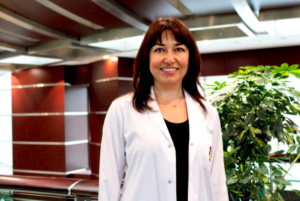 Perihan Elif Ekmekcİ MD, PhD graduated from Ankara University School of Medicine (1995), and she also has bachelor’s degree from Anadolu University Business Administration Faculty (2009). In 2014 she accomplished her Ph.D. degree on History of Medicine and Ethics. She was a Fogarty Fellow in 2013-2014 and she had her master’s certificate on research ethics through this fellowship at Harvard University. Dr Ekmekci was a research fellow in Imperial College Tanaka Business school in 2006. In 2015 she was the Turkish fellow for Western Institutional Review Board Research Ethics Program. She served as the head of EU relations department of Ministry of Health Turkey (2007-2016) and developed several projects in alliance with the EU. She was the Turkish representative for the European Center for Disease Control Advisory Board and served in this position between years 2011-2016. Currently she is the head of History of Medicine and Ethics department and deputy dean of TOBB ETU School of Medicine. She is serving as the head of Intuitional Review Board of TOBB ETU and executive committee member of Health Sciences Institute of TOBB ETU. She is a member of open science committee of TOBB ETU. She established International Bioethics Unit at TOBB ETU in 2019 and she is the head of this unit since then. She is a member of World Association for Medical Law and the International Forum of Teachers of the UNESCO Chair in Bioethics. She has several publications in distinguished journals on ethics and history of medicine. Dr Ekmekci is the co-author of the book titled “Artificial intelligence and Bioethics” published by Springer in 2020. She is teaching undergraduate and postgraduate courses on history of medicine and ethics.
 Joseph Lowy, M.D.
 Joseph Lowy , M.D., Clinical Professor in Department of Medicine, NYU Langone Medical Center, Dir Palliative Care Service NYU Division of Geriatric Medicine and Palliative Care, email: joseph.lowy@nyumc.org
Ilene Wilets PhD
 Dr. Ilene Wilets is an Associate Professor in the Department of Environmental Medicine and Public Health at the Icahn School of Medicine at Mount Sinai in New York. Within the Department of Environmental Medicine, Ilene supports faculty and research staff in meeting institutional and federal regulatory requirements for research involving human subjects. Dr. Wilets also serves as a Chair for the Institutional Review Board (IRB) at Mount Sinai, overseen by the Program for the Protection of Human Subjects (PPHS). At PPHS, she is engaged in research review, the conduct of research on research ethics, as well as advising investigators and study staff about institutional research policy and federal human subjects protection regulation. She has developed curricula for the research community on working with IRBs, the responsible conduct of research, and informed consent, among other topics. Her interests include, but are not limited to, decision-making for research participation, the evaluation of study risk and benefit, informed consent and voluntariness. Dr. Wilets is the Principal Investigator of the CLEAR (Consent Language Explicit And Reasonable) Initiative, a study designed to improve consent form language. She is delighted to serve as a member of the Bioethics Education International advisory board.
Bryan Pilkington PhD
 Brian Pilkington PhD has research that focuses on questions in bioethics, where he is especially interested in conscience, moral responsibility, and the ethics of healthcare practice, and in moral and political philosophy, in particular on the concept of dignity. He lectures on practical ethical challenges in medicine and the practice of healthcare professionals and teaches courses in normative and applied ethics, including courses in ethical theory, bioethics, business ethics, environmental ethics, and political philosophy. Dr. Pilkington currently serves on the Editorial Board of the Journal of Medicine and Philosophy and the Editorial Advisory Boards of HealthCare Ethics Committee Forum and Christian Bioethics. He is a Junior Scholar in Bioethics at the Paul Ramsey Institute, and holds appointments as Associate Professor of Medical Sciences in the Hackensack Meridian School of Medicine at Seton Hall University, Adjunct Associate Professor in the College of Nursing, and Affiliated Faculty in the Department of Philosophy. Prior to joining the Seton Hall community, Dr. Pilkington served as the Director of Academic Programs at Fordham University’s Center for Ethics Education, where he directed Fordham’s MA program in Ethics and Society, Fordham’s minor in Bioethics, and taught classes in Philosophy. Prior to that, Dr. Pilkington was Assistant Professor of Philosophy at Aquinas College, where he served as Chair. Dr. Pilkington is the winner of two Lilly Foundation Faculty Research Partnership Awards, the 2016 Aquinas College Outstanding Teacher Award, a 2015 Aquinas College Outstanding Scholar Recognition Award Nominee, the University of Notre Dame Outstanding Graduate Student Teaching Award, and the John B. Noss Prize in Philosophy from Franklin and Marshall College. He is also a member of Phi Beta Kappa.
 Micheal R. Berman MD
Michael R. Berman is a Clinical Professor of Obstetrics, Gynecology and Reproductive Science, Icahn School of Medicine at Mount Sinai and Founder and President, Hygeia Health Systems, LLC. Yelena Biberman
 Yelena Biberman is an associate professor of political science at Skidmore College and Wilson China Fellow at the Woodrow Wilson International Center for Scholars, Kissinger Institute on China and the United States. I am also a new voice at the Andrew W. Marshall Foundation, nonresident senior fellow at the Atlantic Council’s South Asia Center, and associate at Harvard University’s Davis Center. Yelena received her B.A. in International Relations from Wellesley College, M.A. in Regional Studies from Harvard University, and MA and PhD in Political Science from Brown University. She worked as a journalist in Moscow, Russia. Her research encompasses three main areas: Technology and unconventional conflict, e.g. biotechnology, proxy. South Asian security, e.g. Kashmir conflict, Afghanistan, great power competition. Ideas and leadership Website: Yelena Biberman – Associate Professor of Political Science at Skidmore College
 Francis P. Crawley MA
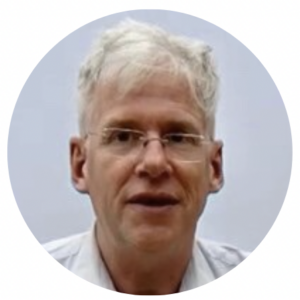 Francis P. Crawley is the Executive Director of the Good Clinical Practice Alliance – Europe (GCPA) in Brussels, Belgium. He is the founder and Director of the Strategic Initiative for Developing Capacity in Ethical Review (SIDCER). He coordinates the GCPA-SIDCER European Fellowship in Research Ethics (EFRE) He is a philosopher specialised in ethical, legal, and regulatory issues in health research, having taught at several European, Asian, and Middle East universities. He is the past Secretary General, Ethics Officer, and Chairman of the Ethics Working Party at the European Forum for Good Clinical Practice. He currently chairs the methodologies sub-group of the Real Word Data Working Group at the Faculty of Pharmaceutical Medicine, Royal Colleges of Physicians. He has acted as an author or expert for the leading international and European research ethics and GCP guidelines, as well as for several guidelines in Asia, Africa, the Americas, and Europe. He was for 15 years the Chairman of the Ethical Review Committee of the International Network for Cancer Treatment and Research (INCTR); a member of the INCTR Tissues Committee; and a member of the Ethics Committee of the European Organization for Research & Treatment of Cancer; Consultant to the Peking University Institutional Review Board; and a member of the Steering Committee of the Chinese Ethics Committee of Registering Clinical Trials (ChECRCT). He has been a member of the joint EMVI-AMVTN Ethical Review Committee; a Permanent Liaison Officer to the International Bioethics Committee of UNESCO; and a Contact Officer for CIOMS. In 2006 he was Visiting Expert in research ethics at the Ministry of Health, Singapore. He was the committee chairman of the WHO guidelines on ethics committees and data monitoring committees; and he was a member of the Scientific Advisory Committee for the World Health Organization’s International Clinical Trials Registry Platform (ICTRP). He also served for four years on the UNAIDS Ethical Review Committee. He is a co-founder and past Steering Committee Member of the Global Forum for Bioethics in Research; a past member of the Committee of Interested Parties of the Centre for the Management of Intellectual Property in Health Research & Development; a past member of the European Science Foundation’s Education Working Group, and a past member of the WHO GCP Handbook drafting committee. In addition, he is a member of the Ethics Working Group, European Academy of Paediatrics (UEMS-EAP); and an investigator in several European Commission projects, including ‘The Development of European Standards on Confidentiality and Privacy in Healthcare among Vulnerable Patient Populations’, ‘Ethical Function in Hospital Ethics Committees’, & ‘Ethical Considerations in Clinical Trial Collaboration with Developing Countries’, ‘European Network for Expertise for Rare Paediatric Neurological Disorders (nEUroped)’ and Relating Expectations and Needs to the Participation and Empowerment of Children in Clinical Trials (RESPECT). He is also a member of past Vice-Chairman of the Ethics Committee of the International Society for Medical Publication Professionals. He was the Co-facilitator for the Ethics Roundtable at the Africa Centre for Health & Population Studies in South Africa where he taught a modular GCP course and where he was a member of a DSMB for an HIV vertical transmission study. He is also a member of several regional organizations for ethics in research in Central and Eastern Europe, Asia, Africa, and Latin America. He founded the AfroGuide Project: Developing Guidelines for Health Research in Africa, with the UN Economic Commission for Africa and the African Union. He serves on several editorial boards for international journals.
Michael L. Gross PhD
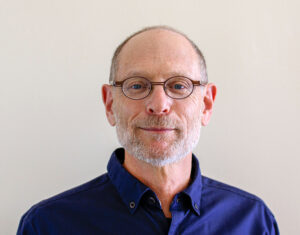 Keynote Speaker Michael L. Gross is a Professor of Political Science at The University of Haifa, Israel, specializing in military ethics and military medical ethics and related questions of national security. His articles have appeared in numerous prominent journals. His books include Ethics and Activism (Cambridge, 1997), Bioethics and Armed Conflict (MIT, 2006), Moral Dilemmas of Modern War (Cambridge, 2010); The Ethics of Insurgency (Cambridge, 2015), Military Medical Ethics in Contemporary Armed Conflict (Oxford, 2021) and two edited volumes, Military Medical Ethics for the 21st Century (Routledge, 2013) and Soft War (Cambridge, 2017). He is editor of the Routledge book series War, Conflict and Ethics and has led workshops on battlefield ethics, medicine, and national security for the Dutch Ministry of Defense, The US Army Medical Department, the Defence Medical Services (UK), The US Naval Academy, the Israel Defense Forces and the International Committee of Military Medicine.
 Samuel J. Ujewe, PhD
Michael R. Berman, MD, MBI
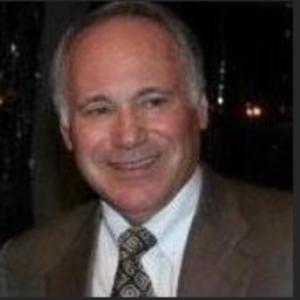 Michael R. Berman, MD, MBI is a graduate of New York Medical College, received his post-graduate training in Obstetrics and Gynecology at the Yale School of Medicine (YSM) and Yale-New Haven Hospital (YNHH) and was a member of the active clinical faculty at the YSM / YNHH for 35 years. In 2012, he joined the faculty at Mount Sinai Beth Israel Medical Center as the Medical Director of Labor and Delivery and Associate Chairman for Quality and Patient Safety in the Department of Obstetrics, Gynecology and Reproductive Science where he is also an active participant in the Leadership Team of the hospital. 2014 he received a Masters Degree in Biomedical Informatics from Oregon Health and Science University. He holds the appointment of Professor, Obstetrics, Gynecology and Reproductive Science and Associate Dean for Graduate Medical education in the Icahn School of Medicine at Mount Sinai. Dr. Berman’s career focus has been to help families who experienced the tragedy of Perinatal and Neonatal Loss. While at Yale, he developed a unique, comprehensive teaching curriculum for medical students and house staff caring for families, and founded the Hygeia Foundation, Inc., an international, non-profit organization whose mission was to comfort those who grieve the loss of a pregnancy or newborn child, to address disparities in and improve universal access to healthcare services and healthcare information regarding pregnancy and neonatal loss while advocating for underserved, vulnerable and disadvantaged women and families. His current work involves Healthcare Quality and Patient Safety initiatives and education at the Mount Sinai Health System and the Icahn School of Medicine at Mount Sinai. Dr. Berman is the author of the book, Parenthood Lost: Healing the Pain after Miscarriage, Stillbirth and Infant Death and many poems and essays documenting the human condition. The New York Times, the Student British Medical Journal, the CBS Early Show, and NBC Today have interviewed him about his work.
 Brian Milkin JD
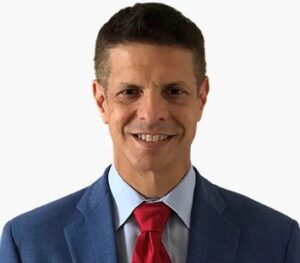
Brian J. Malkin
Yelena Biberman PhD
Yelena Biberman is an associate professor of political science at Skidmore College and Wilson China Fellow at the Woodrow Wilson International Center for Scholars, Kissinger Institute on China and the United States. She is also a new voice at the Andrew W. Marshall Foundation, nonresident senior fellow at the Atlantic Council’s South Asia Center, and associate at Harvard University’s Davis Center. Yelena received her B.A. in International Relations from Wellesley College, M.A. in Regional Studies from Harvard University, and MA and PhD in Political Science from Brown University. She worked as a journalist in Moscow, Russia. Her research encompasses three main areas: Technology and unconventional conflict, e.g. biotechnology, proxy. South Asian security, e.g. Kashmir conflict, Afghanistan, great power competition. Ideas and leadership Website: Yelena Biberman – Associate Professor of Political Science at Skidmore College