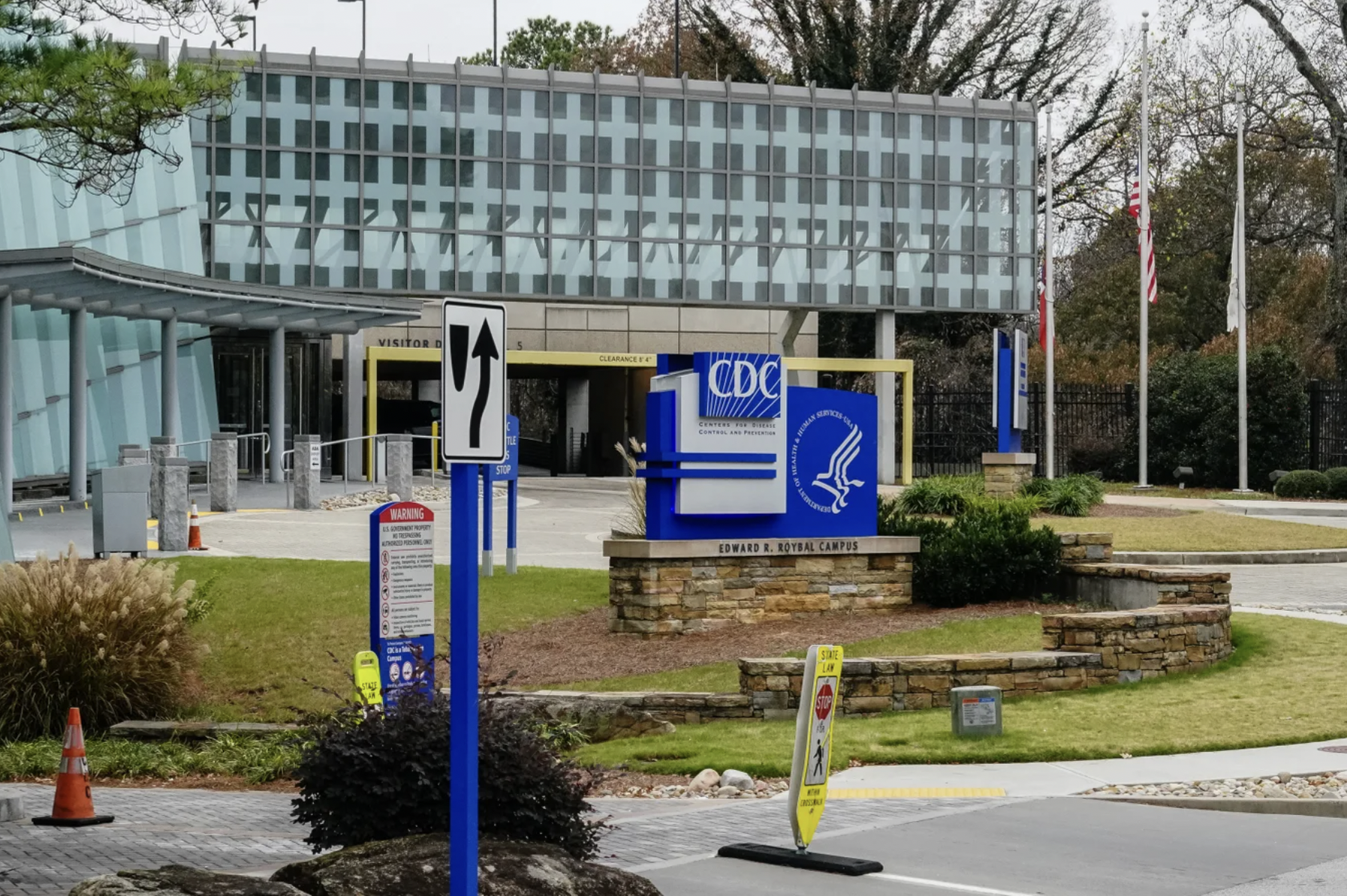
A controversial hepatitis B vaccine trial in Guinea‑Bissau, planned to enroll 14,000 newborns, is reportedly proceeding according to U.S. officials, despite ethical concerns and reports of its cancellation. The five-year trial, funded by a $1.6 million CDC grant, would randomize infants to receive the vaccine at birth or not, in order to study short-term health effects. Supporters say the study could fill critical evidence gaps on optimal vaccine timing and broader health effects. Critics, however, argue that withholding a proven, life-saving vaccine from infants in a high-risk setting is unethical and have drawn comparisons to the Tuskegee syphilis study. Read more.
Controversial Infant Vaccine Study in Guinea Bissau Will Proceed, Officials Say
Share This Story, Choose Your Platform!
About the Author: Ana Lita