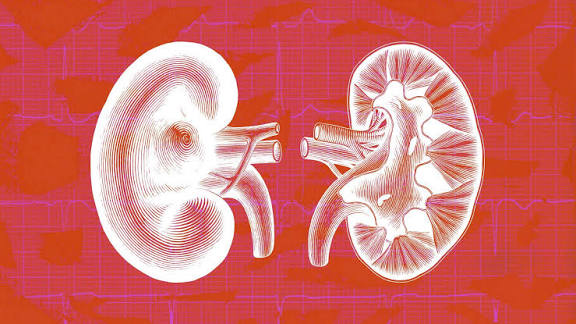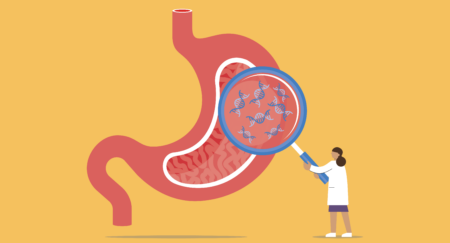
A recent piece from The Atlantic explores families carrying the CDH1 gene mutation, which can give carriers up to a 70% lifetime risk of developing an aggressive and hard-to-detect form of stomach cancer. Among those most affected are Māori families in New Zealand, where the mutation appears with unusual frequency. For many, the only reliable prevention is removing the stomach entirely before cancer develops. It is a powerful look at what families face when genetic testing reveals a ticking clock, and what it means to make a life-altering choice in the name of survival. Read more here.
Would You Remove a Healthy Organ to Prevent Disease?
Share This Story, Choose Your Platform!
About the Author: Ana Lita