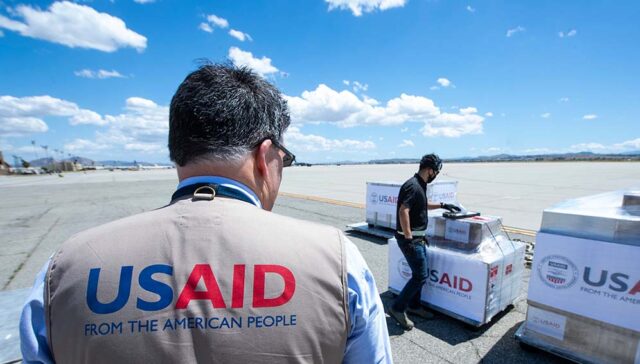
Reductions in USAID funding for neglected tropical disease programs increase the risk of resurgence, including onchocerciasis (river blindness). Over the past two decades, coordinated mass drug administration campaigns significantly reduced transmission, relying not only on donated medicines but on robust delivery infrastructure. The primary vulnerability lies in weakened surveillance, supply chains, and community distribution systems, which can rapidly reverse elimination gains. From a health systems perspective, this reflects the structural dependence of disease elimination efforts on sustained financing and stable delivery systems. Read the full article here.
Neglected Tropical Diseases Are at Risk of Resurgence
Share This Story, Choose Your Platform!
About the Author: Ana Lita