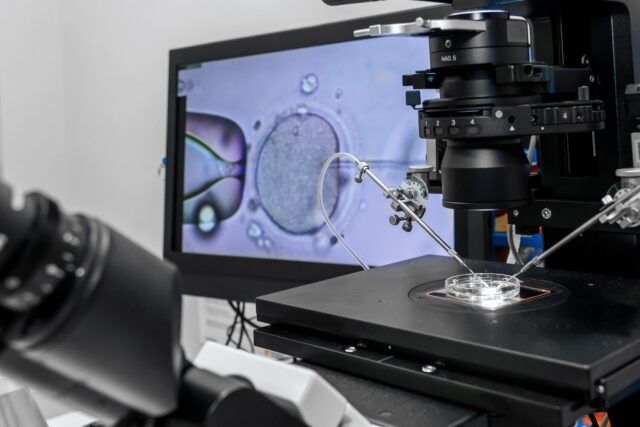
A new fertility device aims to identify and retrieve eggs often missed during standard IVF cycles, potentially improving success rates. Yet its introduction raises significant bioethical concerns regarding cost, evidence thresholds, and patient counseling. In a field already marked by disparities in access and outcomes, new technologies may further widen inequities if affordability and transparency are not addressed. The ethical question extends beyond clinical efficacy to how such innovations affect access, equity, and patient autonomy. Read the full brief here.
New IVF Technology and the Ethics of Innovation
Share This Story, Choose Your Platform!
About the Author: Ana Lita