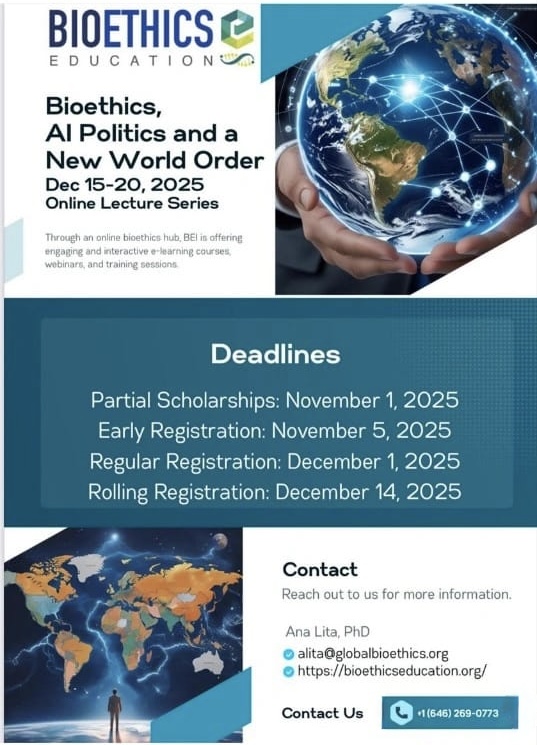
Looking for a bioethics educational opportunity? Bioethics Education International (BEI) is now accepting applications for their online winter school taking place December 15th-20th: Bioethics, AI Politics, and a New World Order. Scholarship Deadline: August 30, 2025.
The intersection of bioethics, AI politics, and the emerging new world order is a complex and multifaceted issue. Here’s a breakdown of the key aspects:
Bioethics in the Age of AI
Bioethics can serve as a moral compass for emerging technologies like AI, ensuring that technological advancements align with human values and dignity.
AI can aid bioethics by analyzing vast amounts of data, identifying patterns, and providing insights that can inform decision-making in complex medical and ethical dilemmas.
Researchers are exploring ways to build morality into AI systems, using approaches like top-down, bottom-up, and hybrid methods to ensure that AI decisions reflect human moral values ¹.
Global Governance and Cooperation
The increasing use of AI in various sectors, including healthcare and defense, raises questions about global governance and cooperation.
International collaboration is essential for developing robust bioethical frameworks that can address the challenges posed by AI and other emerging technologies.
Organizations like Bioethics Education International (BEI) are working to promote global cooperation and discussion on bioethics and AI politics through initiatives like the Online Winter School.
Geopolitics and AI
The development and deployment of AI are influenced by geopolitics, with countries like Germany investing heavily in AI research and development for defense and other applications.
The use of AI in warfare and other areas raises ethical concerns and highlights the need for robust frameworks to govern AI development and deployment.
The US-China trade war has also impacted the development and sale of AI chips, with companies like Nvidia navigating complex regulatory environments ² ³.
Key Challenges and Opportunities
Balancing national interests and global solidarity: Ensuring that AI development and deployment prioritize human well-being and safety while respecting national interests and sovereignty.
Addressing ethical dilemmas: Developing frameworks for addressing complex ethical dilemmas posed by AI and other emerging technologies.
Promoting global cooperation: Fostering international collaboration to address the challenges and opportunities presented by AI and bioethics.
Other Posts

In her Bioinsecurity post, Yelena Biberman examines “mirror life,” organisms built from molecules with the reverse of nature’s handedness. Mirror-image chemistry could yield better medicines, but researchers warn that mirror bacteria might evade immune defenses [...]

Early registration for the BEI Online Winter School closes this Friday, October 16. Don’t miss your chance to join us December 14–18, 2026 for Bioethics in a New World Order, five days of expert-led lectures, [...]
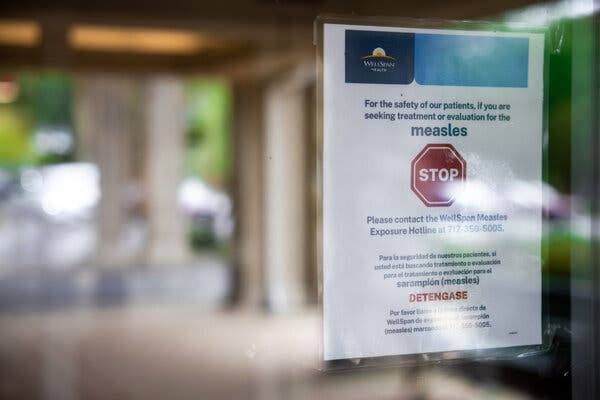
Governor Kathy Hochul has declared a statewide disaster emergency as measles cases climb across rural New York, where vaccination rates have lagged. The state has recorded 108 cases this year, the most since 2019, with [...]
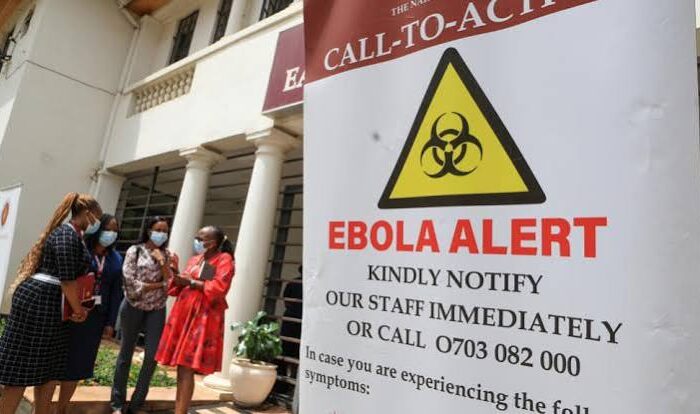
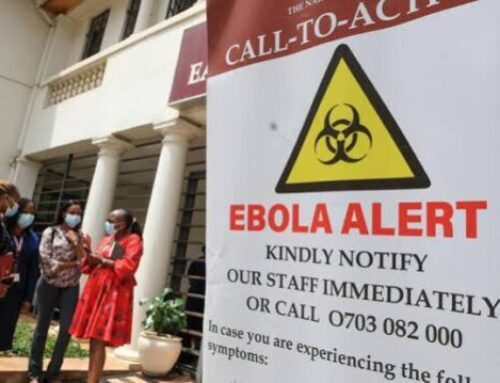
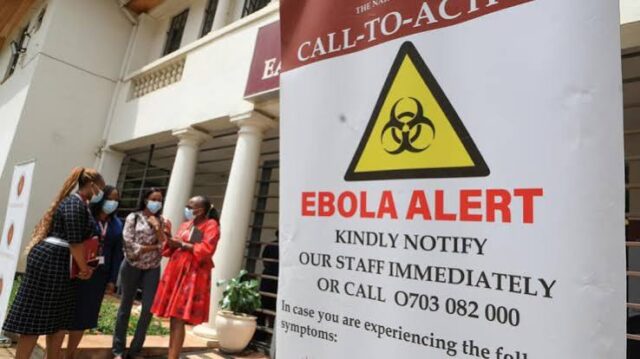
Kenya has confirmed its first imported case of Bundibugyo virus disease, a severe and often fatal illness caused by a species of Ebola virus. The patient, a Kenyan citizen who fell ill in the Democratic [...]

What happens when a worker at a lab that studies plague dies, and no one will say why? A 28-year-old researcher at Russia’s Irkutsk Anti-Plague Research Institute has died of pneumonia of unknown cause. Russian [...]
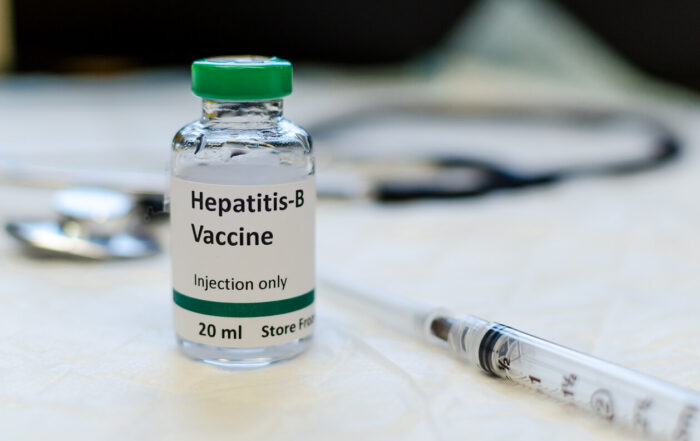
Should a proven vaccine be withheld from newborns for the sake of research? That question is at the center of a newly approved trial in Guinea-Bissau, where Danish researchers will delay the hepatitis B birth [...]