Maria Branyas Morera, world’s oldest person until 2024, lived to 117 in good health. Reseachers studied her genetics, metabolism, and gut microbiome to understand her exceptional longevity. She carried a mix of rare protective gene variants, youthful microbiome, and excellent blood markers. She also followed a Mediterranean lifestyle—walking daily, avoiding smoking and alcohol, and eating three yogurts a day—that likely worked in concert with her biology to keep disease at bay long into old age. Read More.
Recent Posts

Jonathan D. Moreno argues that modern bioethics developed alongside the postwar, rules-based international order, through shared institutions and norms such as informed consent and human rights. He suggests that the weakening of that order and [...]
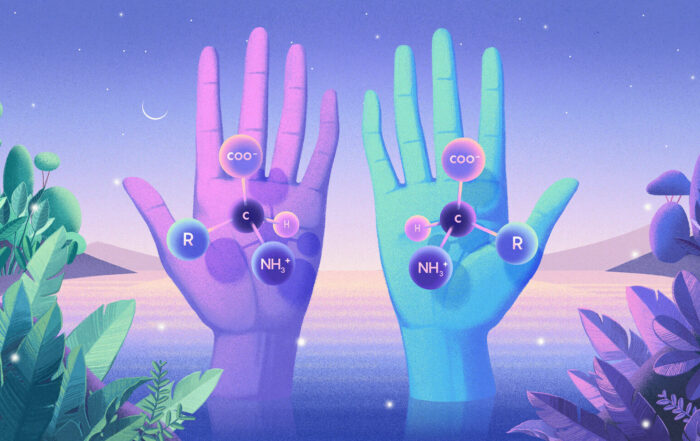
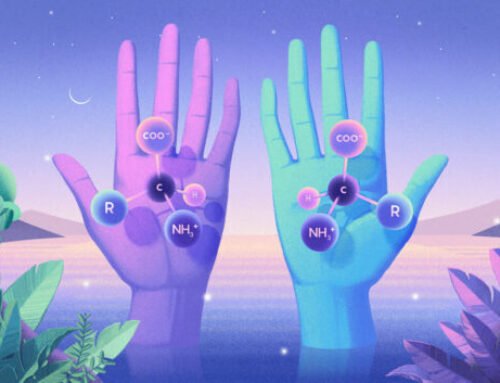
In her Bioinsecurity post, Yelena Biberman examines “mirror life,” organisms built from molecules with the reverse of nature’s handedness. Mirror-image chemistry could yield better medicines, but researchers warn that mirror bacteria might evade immune defenses [...]
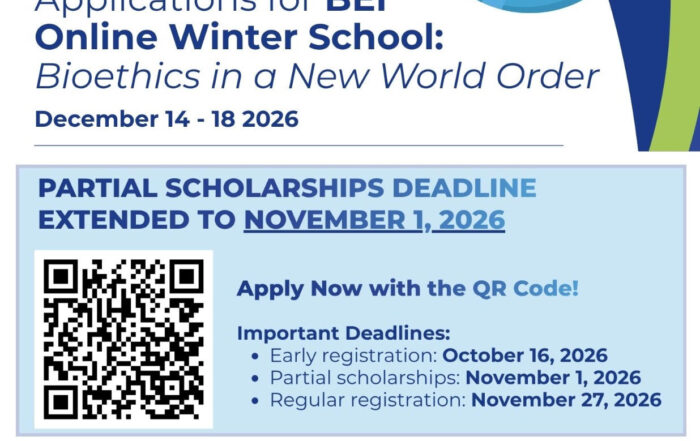
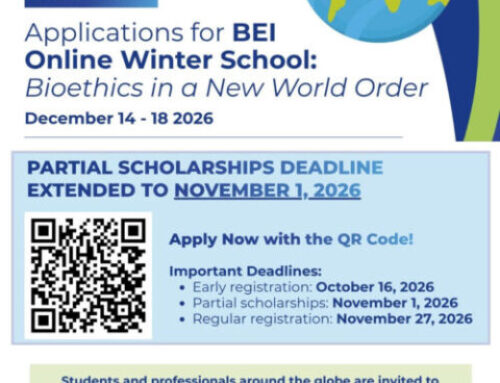
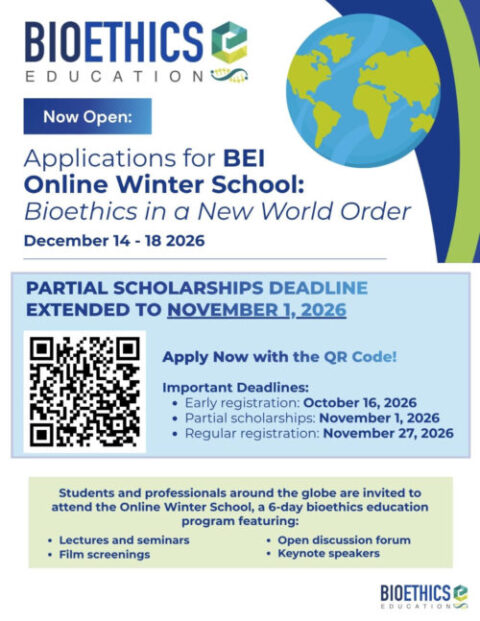
Early registration for the BEI Online Winter School closes this Friday, October 16. Don’t miss your chance to join us December 14–18, 2026 for Bioethics in a New World Order, five days of expert-led lectures, [...]
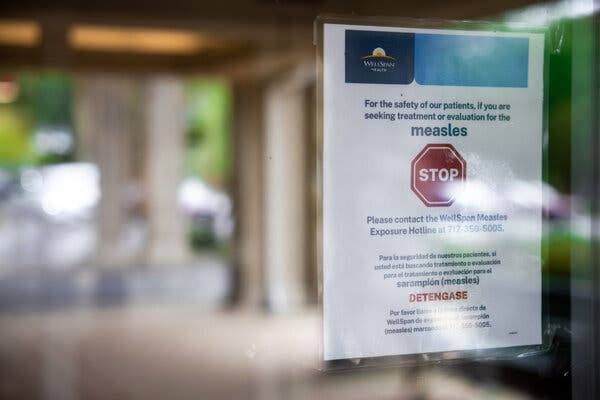
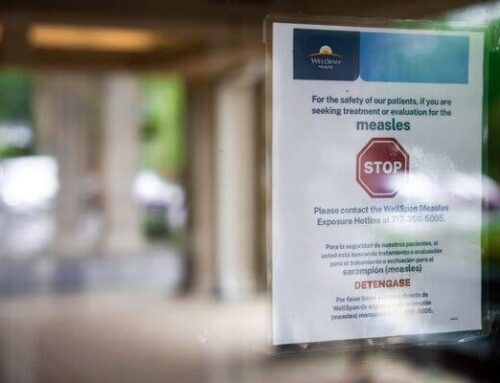
Governor Kathy Hochul has declared a statewide disaster emergency as measles cases climb across rural New York, where vaccination rates have lagged. The state has recorded 108 cases this year, the most since 2019, with [...]
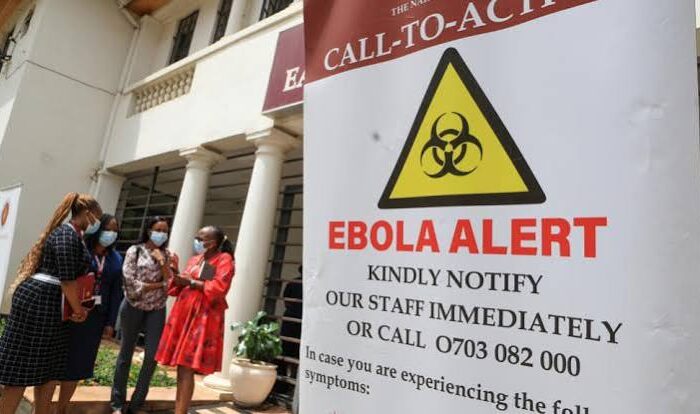
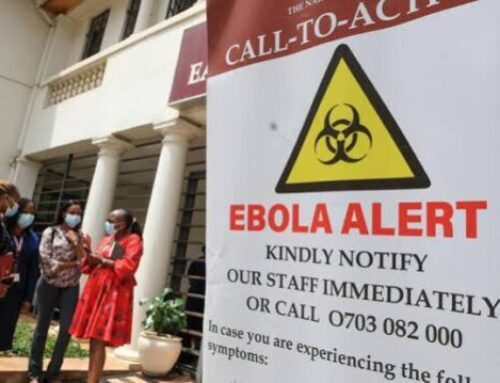
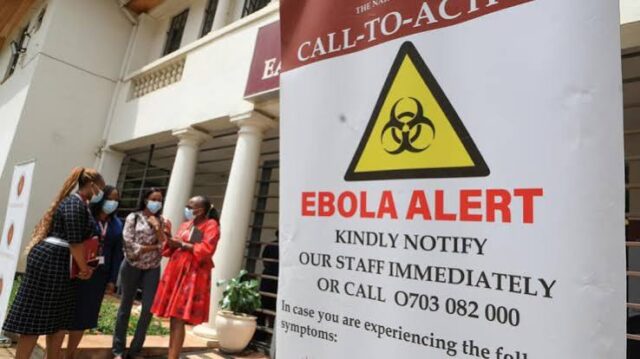
Kenya has confirmed its first imported case of Bundibugyo virus disease, a severe and often fatal illness caused by a species of Ebola virus. The patient, a Kenyan citizen who fell ill in the Democratic [...]

What happens when a worker at a lab that studies plague dies, and no one will say why? A 28-year-old researcher at Russia’s Irkutsk Anti-Plague Research Institute has died of pneumonia of unknown cause. Russian [...]