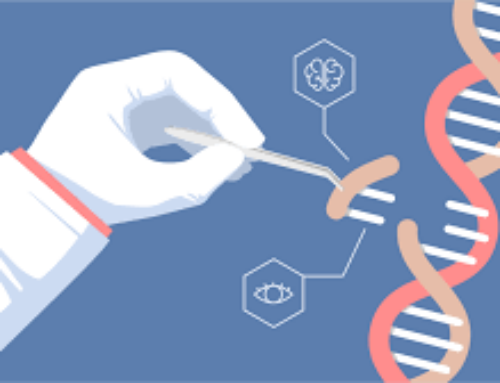
Biotechnology is rapidly reshaping warfare, the economy, and human evolution. The US-China rivalry fuels these advances, with China pursuing military-civil fusion and the US striving to maintain dominance. Gene-editing tools like CRISPR pose unprecedented ethical and security risks that range from “super-soldiers” to novel biological weapons. Scientists and policymakers face a “humanness-survival dilemma” that increasingly compels them to weigh human nature against existential threats. Powerful states, private companies, and gaps in global governance make control difficult. A biotechnology accelerates, it challenges morality, security, and the very essence of what it means to be human. How should we confront these challenges?
Other Posts

On July 15, France's National Assembly passed a bill establishing a legal right to assisted dying for adults with incurable, terminal illness, a huge moment after years of debate. Eligible patients would primarily self-administer a [...]

Due to the rise of AI chatbots, many people have turned to AI for medical advice or help. This article explains the variety of reasons why people might turn to AI, from quicker answers to [...]

In America, the responsibility of caring for elderly parents is both an investment of time and money, often from their adult children. However, in this article, the author explores the dynamic between parents and children [...]
Scientists are continuing to explore the use of CRISPR gene-editing technology in human embryos to prevent the transmission of inherited genetic diseases. While the research demonstrates the potential to reduce the burden of serious hereditary [...]

A growing Ebola outbreak in Uganda has prompted the Trump administration to reconsider how the United States coordinates its global response. As cases continue to rise, administration officials have discussed appointing a dedicated coordinator while [...]
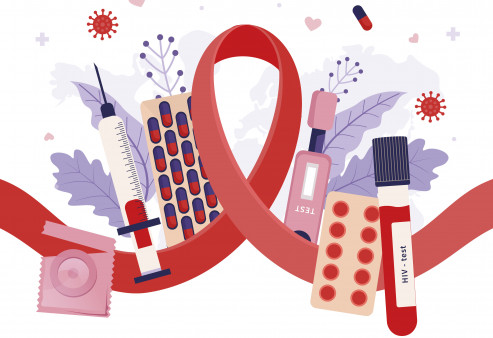
The new HIV prevention drug lenacapavir is beginning to reach communities in Zambia, offering new hope in the global fight against HIV. Administered just twice a year, the injectable medication has demonstrated near-complete effectiveness in [...]