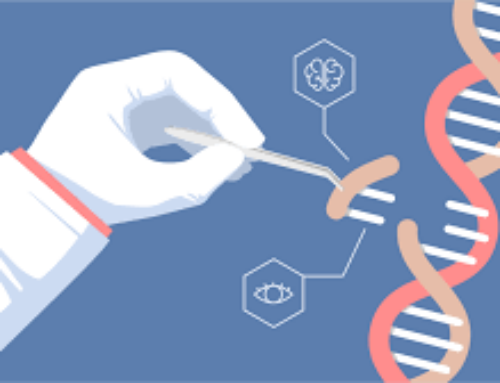
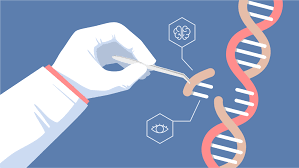
Biotechnology is rapidly reshaping warfare, the economy, and human evolution. The US-China rivalry fuels these advances, with China pursuing military-civil fusion and the US striving to maintain dominance. Gene-editing tools like CRISPR pose unprecedented ethical and security risks that range from “super-soldiers” to novel biological weapons. Scientists and policymakers face a “humanness-survival dilemma” that increasingly compels them to weigh human nature against existential threats. Powerful states, private companies, and gaps in global governance make control difficult. A biotechnology accelerates, it challenges morality, security, and the very essence of what it means to be human. How should we confront these challenges?
Other Posts
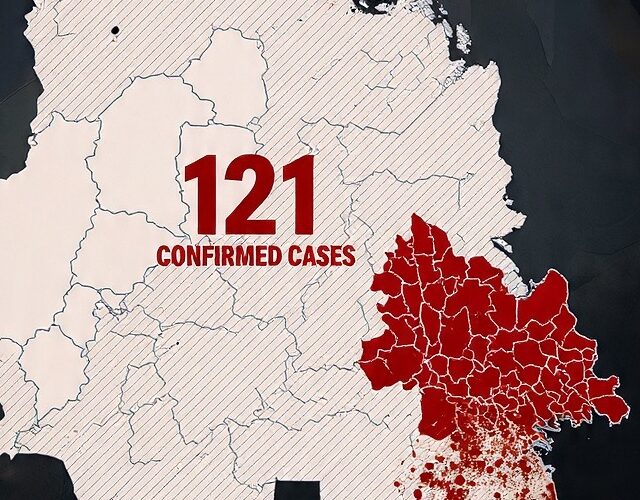
A growing Ebola outbreak in Uganda has prompted the Trump administration to reconsider how the United States coordinates its global response. As cases continue to rise, administration officials have discussed appointing a dedicated coordinator while [...]

The new HIV prevention drug lenacapavir is beginning to reach communities in Zambia, offering new hope in the global fight against HIV. Administered just twice a year, the injectable medication has demonstrated near-complete effectiveness in [...]
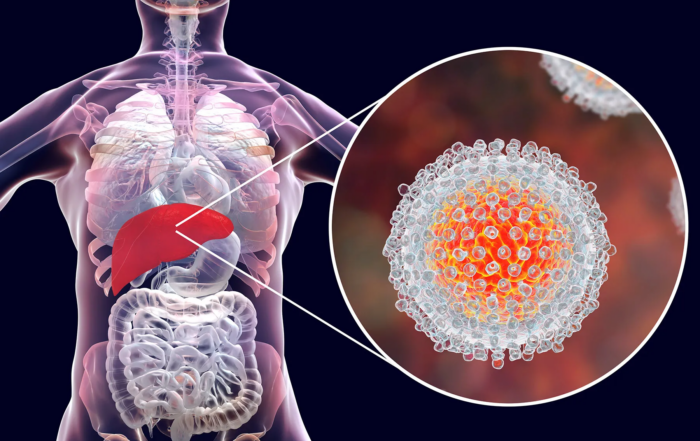
A new study published in the New England Journal of Medicine found that bepirovirsen, an experimental hepatitis B treatment, achieved a functional cure in about 1 in 5 patients with chronic hepatitis B after a [...]
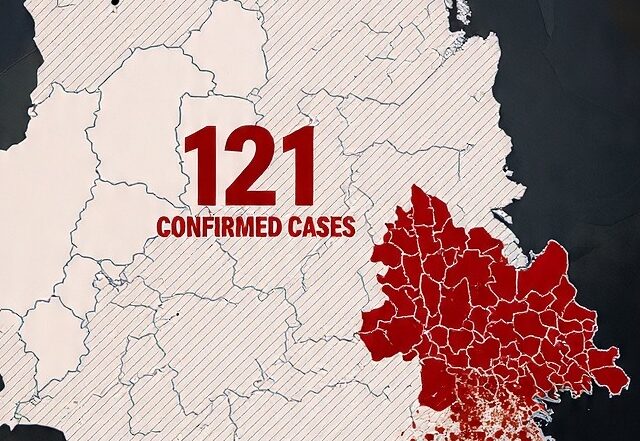
As an Ebola disease outbreak continues in the Democratic Republic of the Congo and Uganda, the WHO has identified several promising treatments and vaccines for further study. Experts are prioritizing a select group of therapies [...]
AI has been used to generate hypotheses and identify targets in drug discovery teams. Though AI is still not able to fully carry out tests and data analysis for all research applications, it has a [...]
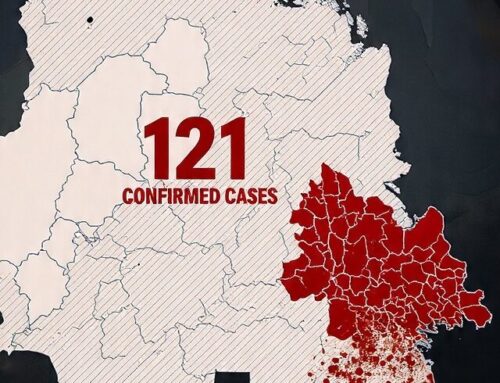
The World Health Organization (WHO) is expected to provide an update after declaring the Ebola outbreak in the Democratic Republic of the Congo a global public health emergency. There have been over 390 suspected Ebola [...]