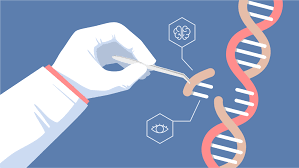
Scientists are continuing to explore the use of CRISPR gene-editing technology in human embryos to prevent the transmission of inherited genetic diseases. While the research demonstrates the potential to reduce the burden of serious hereditary conditions, it also revives longstanding debates about safety, regulation, and the ethical limits of altering the human germline. Genetic changes made in embryos could be passed to future generations, prompting many experts to call for careful oversight, public engagement, and thoughtful ethical consideration as the science advances. Read more here.
Who Gets to Edit the Future?
Share This Story, Choose Your Platform!
About the Author: Ana Lita