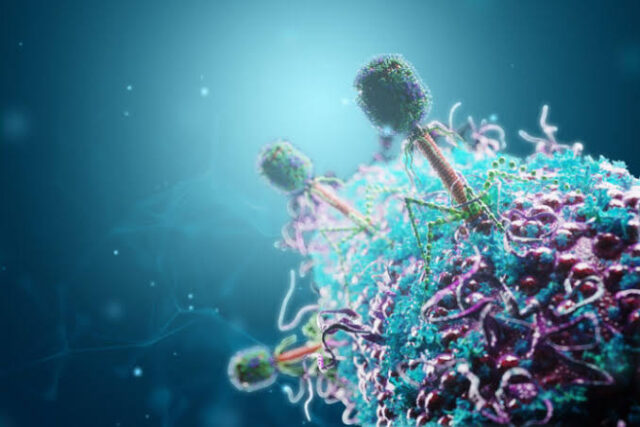
Stanford researchers designed the first fully functioning viral genomes using AI, training models on genetic data from bacteriophages while excluding viruses that infect humans, animals, or plants, to create new phages capable of killing drug-resistant E. coli, a breakthrough the team says could transform phage therapy. Published in Science, the achievement also raised urgent biosafety concerns, with experts warning that the ability to design viral genomes with AI now exists while the governance to safely direct it does not, and calling for layered oversight spanning model access, research review, and DNA synthesis screening. Read more here.
AI-Designed Viruses: Innovation Meets Bioethics
Share This Story, Choose Your Platform!
About the Author: Ana Lita